Solutions in Pain · Allen, Texas

Interventional Pain Management in Allen, Texas

Precise, image-guided care for spine, joint and nerve pain, beginning with a clear diagnosis and a plan built around it.

Dr. David Nwokeabia wearing teal scrubs in the Solutions in Pain clinic
Board Certified
Anesthesiology & Pain Medicine
Residency
Washington University / Barnes-Jewish Hospital Anesthesiology Residency
Advanced Training
Stanford Pain Medicine Fellowship
Welcome to Solutions in Pain with Dr. David Nwokeabia video poster

Physician-led care

Meet your physician

A careful plan begins with a physician who listens.

Dr. David Nwokeabia’s training spans medicine, anesthesiology and advanced pain medicine. At Solutions in Pain, that background supports a diagnosis-first approach: understand the likely pain generator, then choose the treatment that fits.

Meet Dr. David
  1. Howard University College of MedicineDoctor of Medicine
  2. Washington University / Barnes-Jewish HospitalAnesthesiology Residency
  3. Stanford University School of MedicinePain Medicine Fellowship

How we approach chronic pain

A clearer path forward

Opioid-Sparing, Procedure-Focused, Source-Focused Care

The goal is not simply to mask pain with long-term medication. Solutions in Pain works to identify the likely pain generator, then considers targeted non-opioid and interventional options designed to improve function and, when clinically appropriate, reduce reliance on long-term oral pain medication.

What we treat

Pain Conditions We Evaluate and Treat

Diagnosis-first care.

Many people arrive knowing where they hurt, a familiar term such as Sciatica, or a symptom such as nerve pain, without knowing the exact diagnosis. That is a reasonable place to begin. Solutions in Pain starts with the history, examination, relevant imaging, and how symptoms affect movement and function to identify the likely pain generator. Treatment is then matched to the diagnosis, anatomy, goals, prior care, and medical context. A procedure is never assumed to be the next step; evaluation clarifies whether targeted care, rehabilitation, medication guidance, another specialist, or continued observation may fit.

Care is led by David Nwokeabia, MD, board-certified in Anesthesiology and Pain Medicine.

Diagnosis guides the next question

Different pain patterns, different pathways

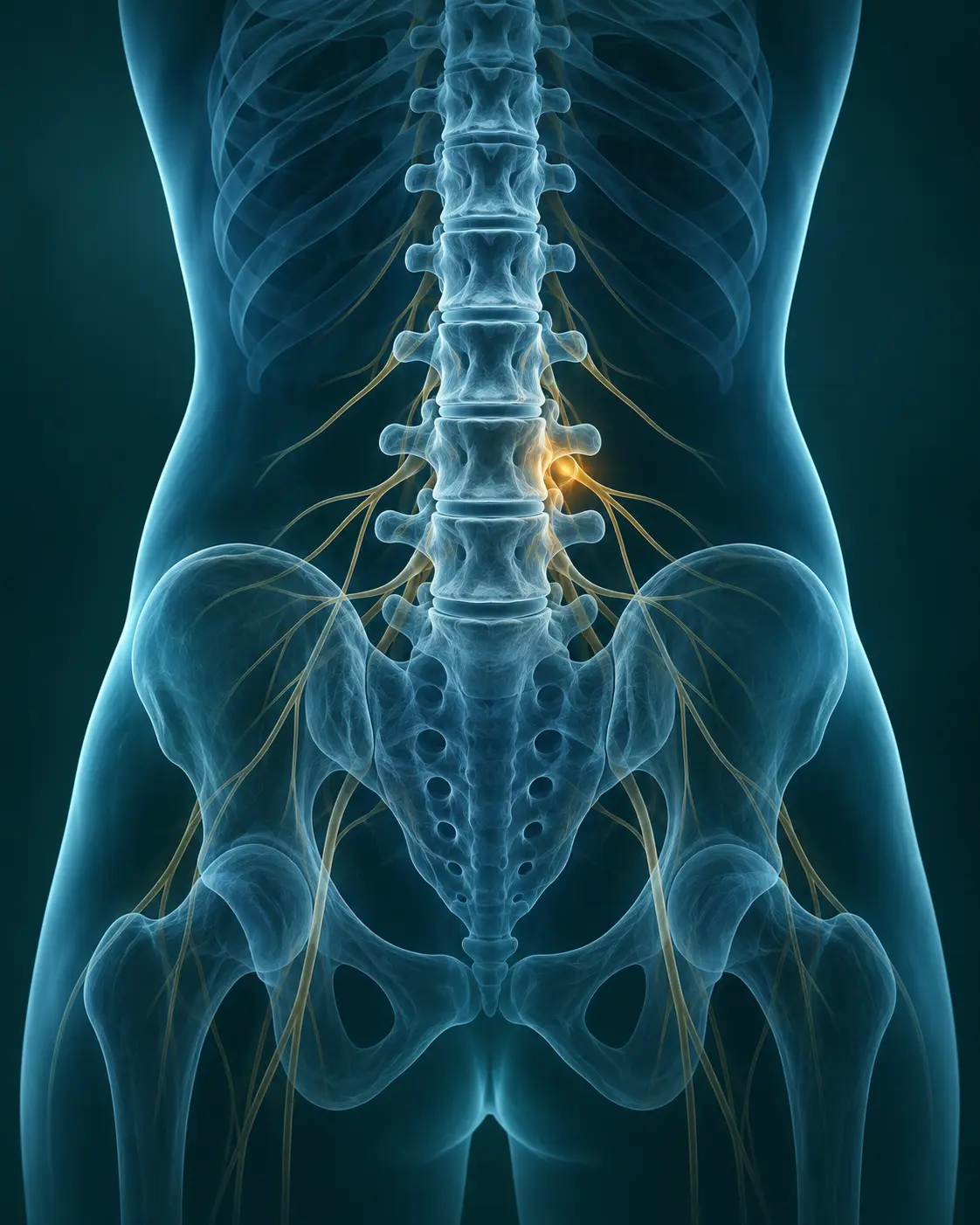
Sciatica / lumbar radiculopathy

Nerve-root irritation may cause leg pain, numbness, tingling, or weakness. After evaluation, Epidural Steroid Injections may be considered when appropriate.

Facet-mediated back or neck pain

Medial Branch Blocks may help determine whether facet joints are a likely pain generator. Radiofrequency Ablation may be considered later only when evaluation and block response support it.

Before your first visit

Questions patients often ask

Do I need to know my diagnosis before scheduling?
No. Many visits begin with a symptom or body area. The evaluation is designed to clarify the likely diagnosis and decide what information or next step may be useful.
What types of pain do you evaluate and treat?
We evaluate spine, joint, and nerve-related pain, including back and neck pain, Sciatica, neuropathic pain, and selected persistent pain conditions. The condition guide above shows representative concerns, not a self-diagnosis checklist.
How do you decide which treatment may fit?
The plan follows the diagnosis. We consider symptoms, examination, imaging when relevant, prior response, function, goals, health history, risks, and alternatives before discussing whether a treatment may fit.

North Texas care

Where we serve

Broader communities served

  • Plano
  • Frisco
  • McKinney
  • Richardson
  • Murphy
  • Rowlett
  • Rockwall
  • North Dallas
  • Dallas
  • Collin County

and the broader DFW area.

How care works here

Diagnosis first.
Then treatment.

Each step should answer the question that comes before the next treatment decision.

  1. Listen

    Your history and priorities establish the starting point.

  2. Localize

    Examination, imaging and diagnostic tools narrow the likely source.

  3. Decide

    The treatment plan follows the diagnosis, not the other way around.

  4. Reassess

    Response and function guide what comes next.